


There was a time when Indian homes were shaped by the landscape around them. Terracotta floors helped keep interiors cool, lime-plastered walls responded naturally to the climate, brass accents reflected the evening light, and handwoven textiles added warmth and character.
Indian homes were traditionally designed around local materials, natural ventilation, sunlight, and the rhythms of everyday life.
Over time, however, modern interiors began to adopt a more global aesthetic. From the late 1990s and into the 2010s, crisp white walls, cool greys, glossy surfaces, and imported finishes became associated with contemporary luxury. By the late 2010s, this polished look had become a defining influence on home design in India.
Today, that aesthetic is beginning to change. A warmer, softer and more tactile approach is emerging across contemporary Indian interiors: warm minimalism. Rather than abandoning minimalism, this design philosophy makes it feel more welcoming. It combines clean lines and uncluttered spaces with natural materials, earthy colours, organic textures and carefully selected furniture.
For homeowners looking for interiors that feel sophisticated without feeling sterile, warm minimalism interior design offers a compelling way forward.
The Shift Towards Curated Calm
One of the most noticeable changes in Indian interiors is the move from highly styled spaces towards homes that feel personal and lived-in.
Instead of designing a room primarily for visual impact or photographs, homeowners are increasingly looking for spaces that feel comfortable in everyday life. This has led to a growing preference for what could be described as Curated Calm: interiors that are visually clean but still rich in texture, personality, and warmth.
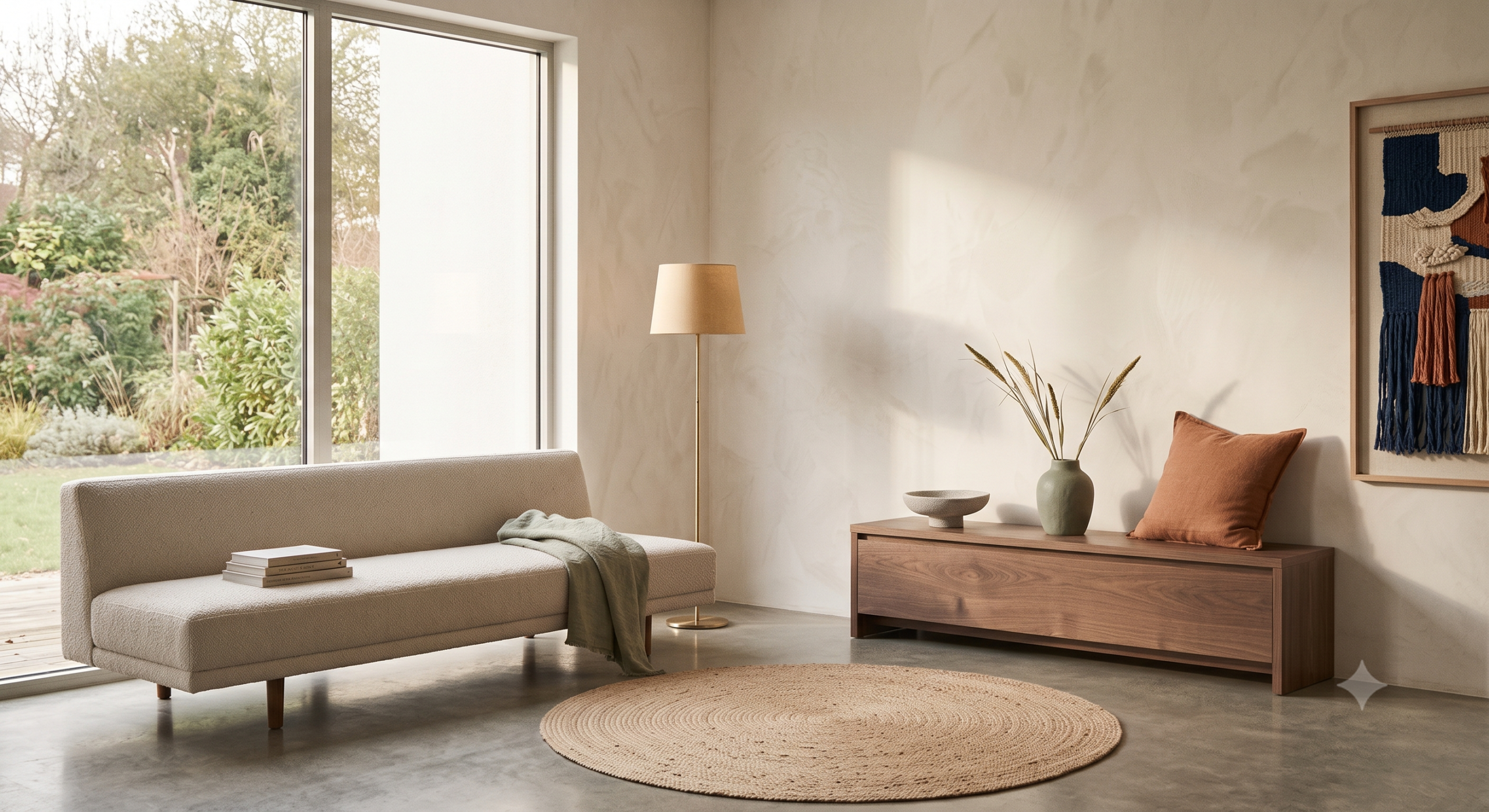
The colour palette has evolved along with this shift. Cool whites and greys are making space for warm creams, muted beige, sage greens, terracotta, clay brown and soft ochre. These colours work particularly well with natural materials such as timber, linen upholstery, rattan accents, and raw plaster or limewash walls.
The result is an interior that feels understated but never empty.
A Modern Style With Older Roots
Although warm minimalism draws from Japanese wabi-sabi, which finds beauty in imperfection and materials that carry the mark of time, its principles also feel deeply familiar to Indian architecture.
The intentional use of natural surfaces, visible grain, and organic textures reflects a long-standing Indian appreciation for materials that age gracefully. Limewash, one of the defining finishes of warm minimalism, has been used for over 2,000 years, including extensively by ancient Roman builders. Its revival in contemporary homes reflects a growing preference for materials with history, character and integrity over polished novelty—surfaces that tell a story through texture rather than finish.
This shift towards warmer, earthier interiors has also been influenced by global design trends. Pantone’s 2025 Colour of the Year, Mocha Mousse, brought rich brown and earthy neutrals into the spotlight, reinforcing a move towards warmer palettes in contemporary interiors. In India, these tones are increasingly finding their way into modern, premium home design in India, complementing natural materials and the growing appeal of warm minimalism.
Why Indian Homes Take to Warm Minimalism Naturally
Warm minimalism interior design feels particularly suited to Indian homes, especially houses in Goa, because it responds to many of the conditions they have always been designed around: abundant natural light, warm climates, natural ventilation, and a preference for spaces that feel lived-in rather than staged.
Materials such as unglazed terracotta tiles bring earthy character while also offering practical benefits in warm climates. The approach also works well in contemporary homes because fewer, well-proportioned pieces create better circulation, while thoughtfully integrated storage keeps the space visually calm and uncluttered.
What Warm Minimalism Looks Like in Practice
In practice, warm minimalism is about making deliberate choices. Terracotta, clay brown, and soft ochre can replace cool greys and stark whites, while curved furniture softens the clean lines traditionally associated with minimal interiors. Bouclé, linen, cane, and natural timber introduce warmth and tactile depth without overwhelming the space.
Here, texture does much of the work that colour once did. A warm ochre limewashed wall, a linen curtain filtering afternoon sunlight, or a raw timber shelf can add character without creating visual clutter. The most successful warm minimalist homes are those where materials are selected not only for how they look when newly installed, but also for how they will age and develop character over time.
Why It Matters for How We Choose Homes
The residential interior design market in India is expected to grow at a 16.47% CAGR (Compound Annual Growth Rate) through 2031, reflecting growing investment in thoughtfully designed residential spaces and changing homeowner preferences.
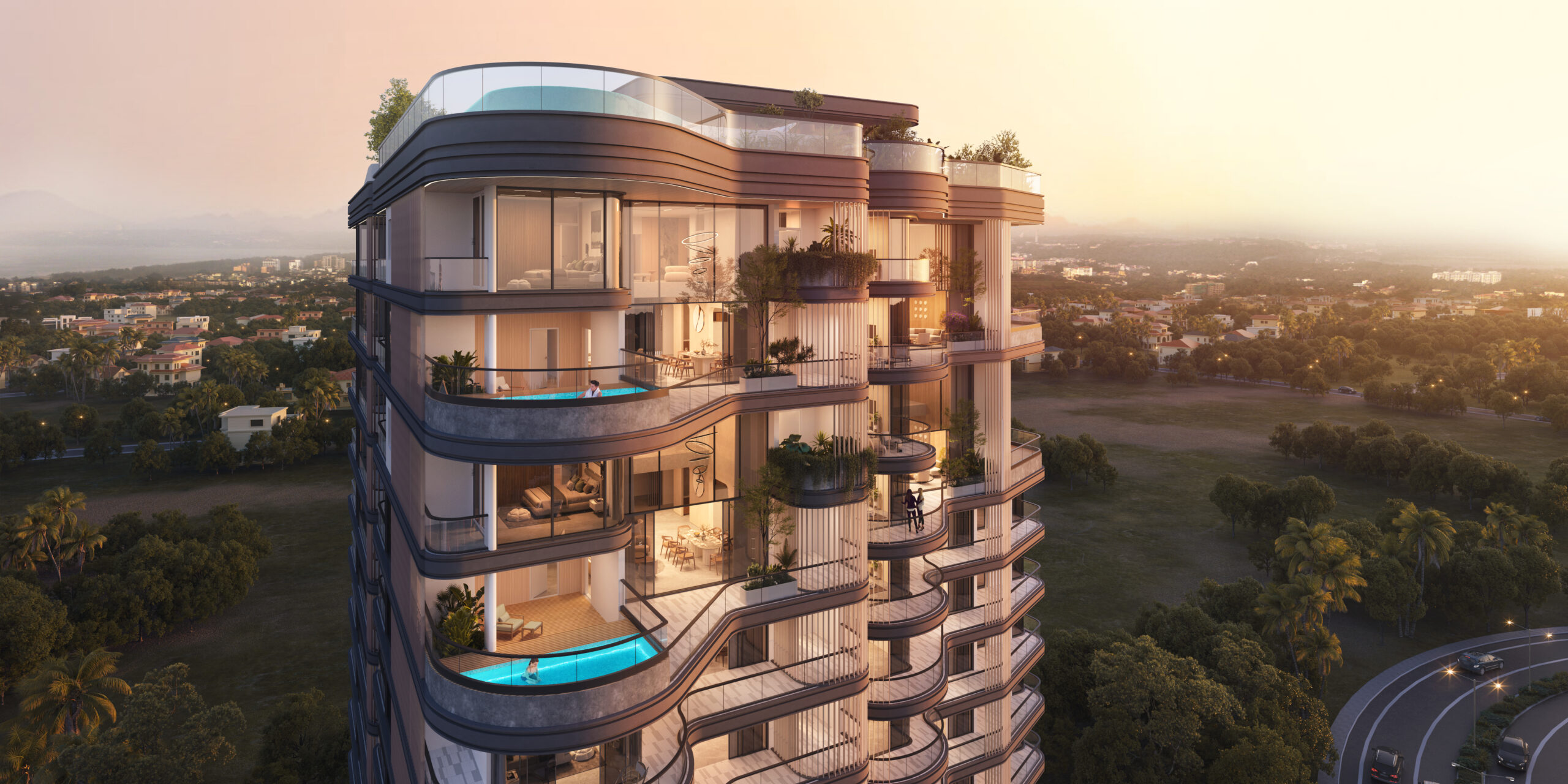
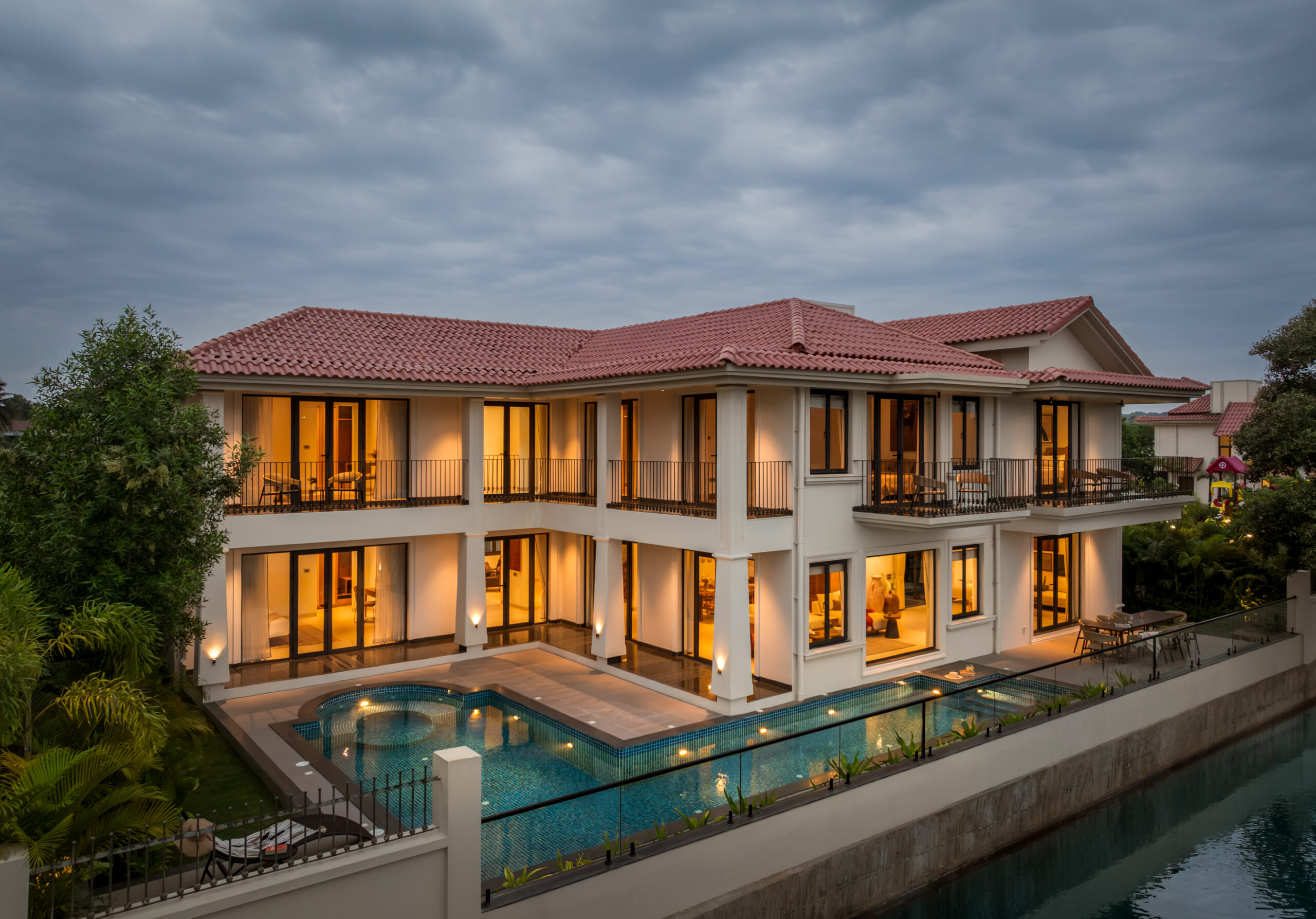
For those considering homes in Goa, warm minimalism feels particularly at home. Goa’s generous natural light, laterite earth, tropical greenery and Portuguese-influenced architectural details already embody many of the qualities that define this aesthetic. Natural textures, earthy tones and a seamless relationship between indoor and outdoor spaces make the region especially suited to this more relaxed approach to contemporary living.
Interior designers in Goa are increasingly exploring this balance between modern functionality and a sense of place, creating homes that feel refined without losing their connection to the landscape.
Ultimately, Home design in India is moving towards something quieter and more enduring; spaces that feel comfortable, personal and genuinely lived in. And among Houses in Goa India, this sensibility can feel especially natural, where sunlight, laterite textures, tropical surroundings and indoor-outdoor living come together to create homes with warmth, character and a strong sense of place.