


Luxury in Goa has always been closely connected to its sense of place. But what constitutes a luxurious home has changed considerably over the centuries. It has evolved with every era, shaped by who held influence, the materials available, the demands of the coastline, and what a home was expected to represent. Each chapter has left something behind—in the grain of a timber balcão, the curve of a tiled roof, or in the way a building opens itself to the sea or draws inward from it.
To trace Goa’s homes across the centuries is, in many ways, to trace how the idea of a life well lived has quietly evolved.
The Manor Home
The earliest expression of luxury in Goa belonged to the landed gentry, wealthy Catholic Goan merchants and landowners who built the grand Indo-Portuguese manor homes of Chandor, Loutolim, and Quepem from the 18th century onwards. Houses such as Braganza House and the Figueiredo Mansion were not simply Portuguese imports. They were built by ambitious native Goans who absorbed European aesthetics and brought them together with an intuitive understanding of India’s climate and environment.
These homes were statements of social standing expressed through architecture. Venetian chandeliers, hand-painted Chinese porcelain, symmetrical facades, Mangalorean tiled roofs, and long balcões with built-in seating that opened towards the street all formed part of their visual language.
Luxury here meant grandeur, craftsmanship, and a deep sense of pride in what had been built. Every detail, from the height of a plinth to the ornamentation of a column, reflected the care and ambition of the families who commissioned these homes.
The Beach Villa
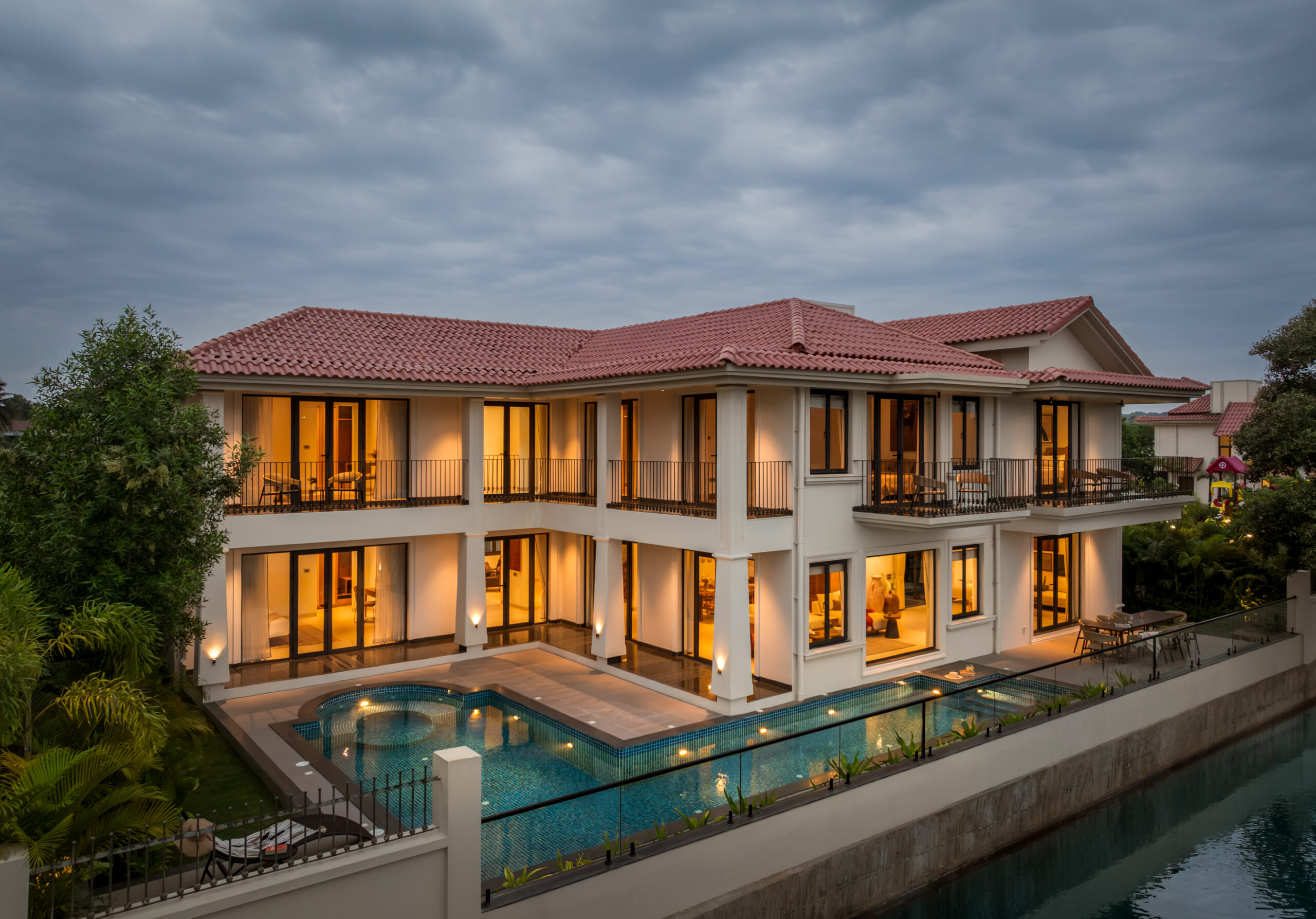
When Goa joined India in 1961 and tourism began its gradual rise through the 1970s and 1980s, a different expression of luxury emerged. Private, sea-adjacent, and increasingly attractive to buyers from outside the state, the Goa villa offered something distinctly different: a retreat rather than simply a residence.
Through the 1990s and into the 2000s, the standalone villa near the coast became a defining aspiration. Luxury villas in Goa during this period were characterised above all by one thing: proximity to the sea.
A private pool, generous land, and a location that placed the coastline within easy reach became markers of the lifestyle. The beach villa answered a longing that urban life could not, offering space, privacy, and a closer connection with Goa’s landscape. For many, that appeal remains just as strong today.
The Gated Community
As North Goa’s coastal belt became increasingly developed and land values rose through the 2000s and early 2010s, a new residential typology began to emerge.
The gated community offered what the standalone beach villa could no longer consistently provide: security, professionally managed amenities, and a sense of curated living within a defined environment.
This era introduced a new infrastructure of luxury to Goa’s residential market. Clubhouses, swimming pools, landscaped common areas, and professional management became part of the overall residential experience. The definition of luxury consequently expanded from location alone to encompass lifestyle and amenities.
Among the residential projects in Goa that contributed to this shift, builders in Goa like Models Group established their presence across North Goa, developing addresses that reflected a considered, location-led approach over three decades.
The Considered High Rise
What is emerging now within Goa’s most evolved luxury residential segment is something that the previous expressions of luxury could not fully offer: Elevation.
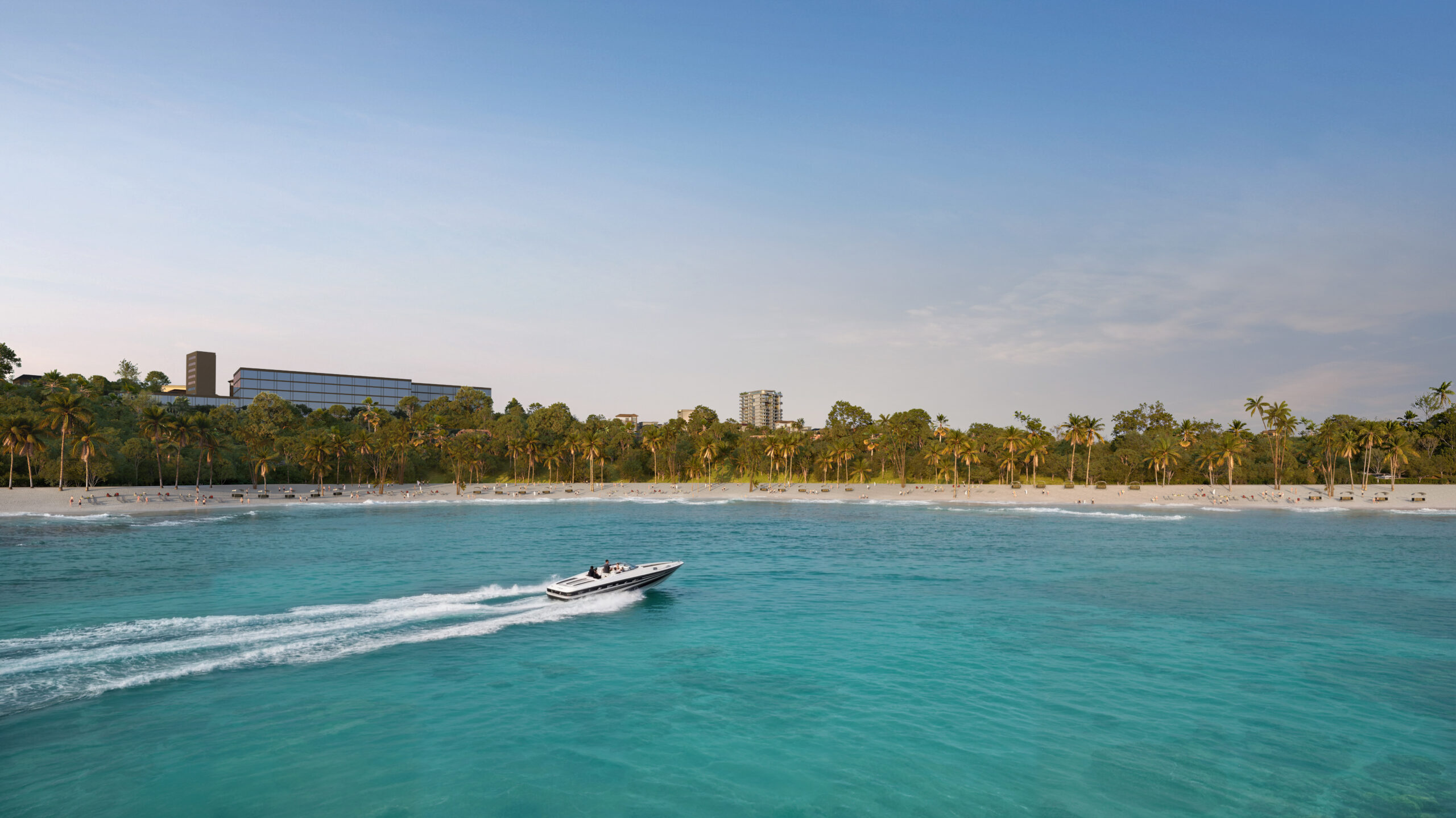
The Arabian Sea, viewed not from the beach or a low-lying villa, but from a height that opens the horizon completely. At this elevation, the light arrives differently, the breeze moves differently, and the sense of the city falling away below becomes part of what a home offers each morning.
Today’s new luxury apartments in Goa are increasingly drawing from the Indo-Portuguese architectural vocabulary: high ceilings, terracotta-tiled roofs, and courtyard-inspired layouts—as both an aesthetic homage and a functional response to Goa’s climate.
The best of what is being built today does not overlook what came before. It absorbs it, interprets it, and brings it forward.
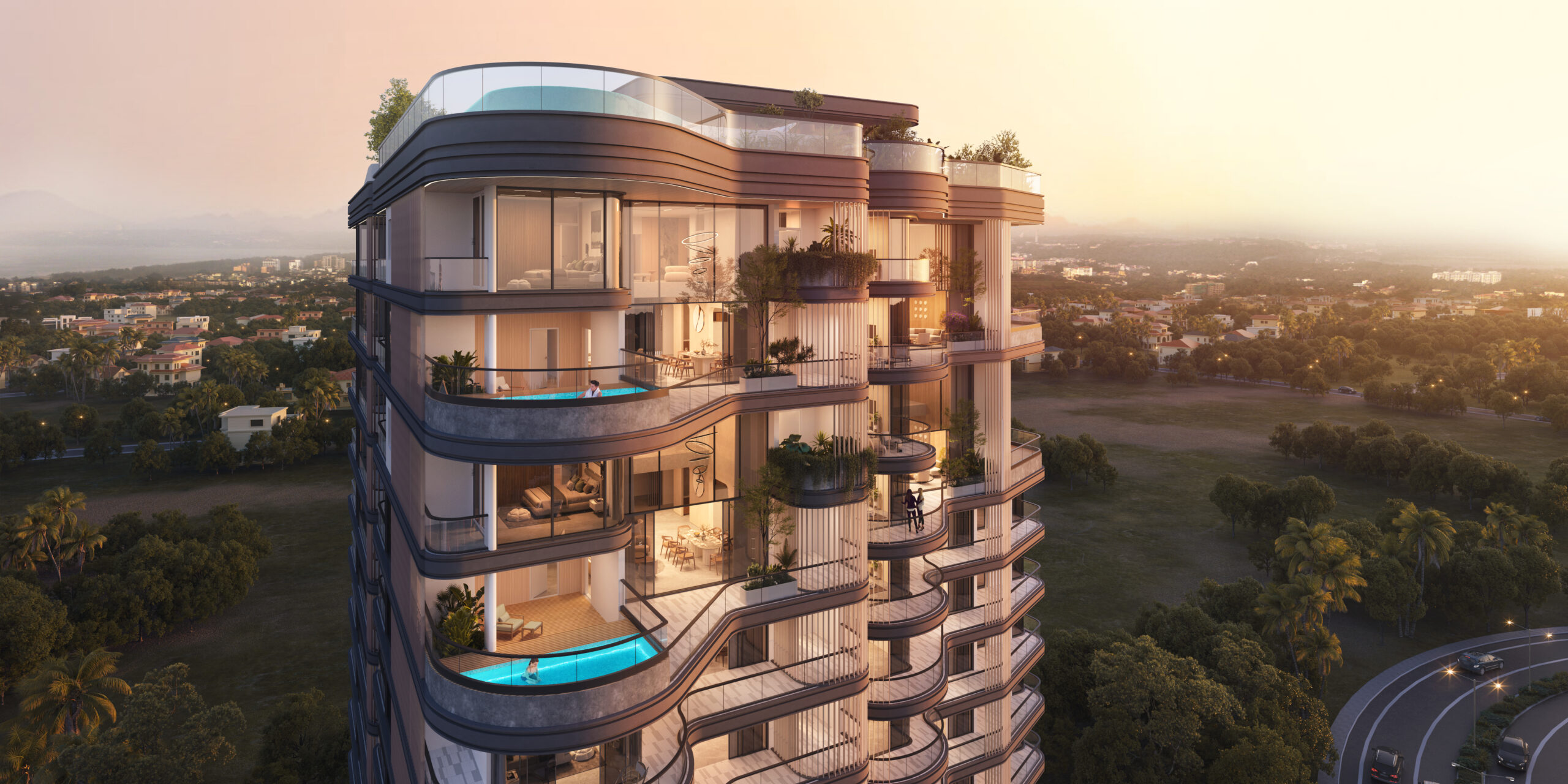
Models Oddavell in Dona Paula is where this evolution arrives in its most considered form. Among the new projects in Goa currently taking shape, it occupies a promontory that history recognised long before real estate did.
The building’s wave-inspired balconies and cross-ventilated, light-filled sea-facing apartments in Goa respond to the Arabian Sea in much the same way Goa’s earliest homes responded to the monsoon: through design that understands and respects its context.
The sea facing flats in Goa at this elevation offer something ground-level addresses rarely can: an uninterrupted horizon that becomes part of the experience from every room.
The penthouse in Goa at this address takes that experience further still: private, elevated, and entirely oriented towards the sea.
Among the top builders in Goa, Models Oddavell represents the thinking behind a brand that understands what each era of Goan luxury has built towards.
It is not a repetition of what came before, but the next considered chapter in a story that began with the grand manor homes of Goa and has arrived, in 2026, above the Arabian Sea in Dona Paula.