


Goa’s architecture has never been shaped by a single influence. Its homes reflect centuries of cultural exchange, local craftsmanship, climate, and changing lifestyles.
Every era has left its mark: in the materials used, the slope of a roof, the way a doorway opens towards the street or turns inward for privacy. To understand how Goa’s homes have evolved and how today’s most thoughtful builders in Goa are shaping their future, it is worth looking at where this architectural journey began.
Before the Portuguese: The Traditional Goan Home
Before the colonial influence reached Goa, homes were shaped by the land, climate, community, and locally available materials. Traditional homes were largely inward-looking, built from laterite, the distinctive rust-red stone of the region, and centred around private courtyards that provided shade, ventilation and privacy. Simple facades, small windows and practical flooring, including cow dung, in many homes, reflected the way of living closely connected to Goa’s climate and surroundings.
These were homes built entirely from and for the land around them, where every architectural choice had a practical purpose. That sensitivity to climate and context remains relevant today, influencing property in Goa that seeks to create homes that complement their surroundings rather than simply imposing a structure upon them.
Portuguese Influence and the Birth of a Distinct Goan Style
The arrival of the Portuguese in 1510 brought new architectural influences to Goa. However, the evolution of the Goan home was not simply a matter of Portuguese architecture being transplanted onto Indian soil.
By the cusp of the 18th century, Portuguese influence on Goa’s residential architecture had become less direct. From then until 1961, many of the grand homes and mansions that came to define Goa’s towns were commissioned by wealthy native Catholic Goan families rather than Portuguese administrators. While the Portuguese state and religious orders continued to play a major role in building churches, forts, and civic structures, Goan homeowners and craftsmen increasingly shaped the character of Goan homes.
The result, a distinctive architectural language that is often described as Indo-Portuguese or Goan architecture. One of its most recognisable elements was the balcão: a covered porch with built-in seating facing the street. It transformed the relationship between the home and the public realm. Unlike the inward-facing traditional house, the balcão encouraged interaction, conversation, and a visual connection with the street.
Other elements became equally characteristic of the Goan home: laterite walls, decorative columns, arched openings, colourful façades, timber details, louvred shutters, and sloping tiled roofs.
Materials That Defined Goan Architecture
The architectural identity of Goa was also shaped by the materials used in its homes.
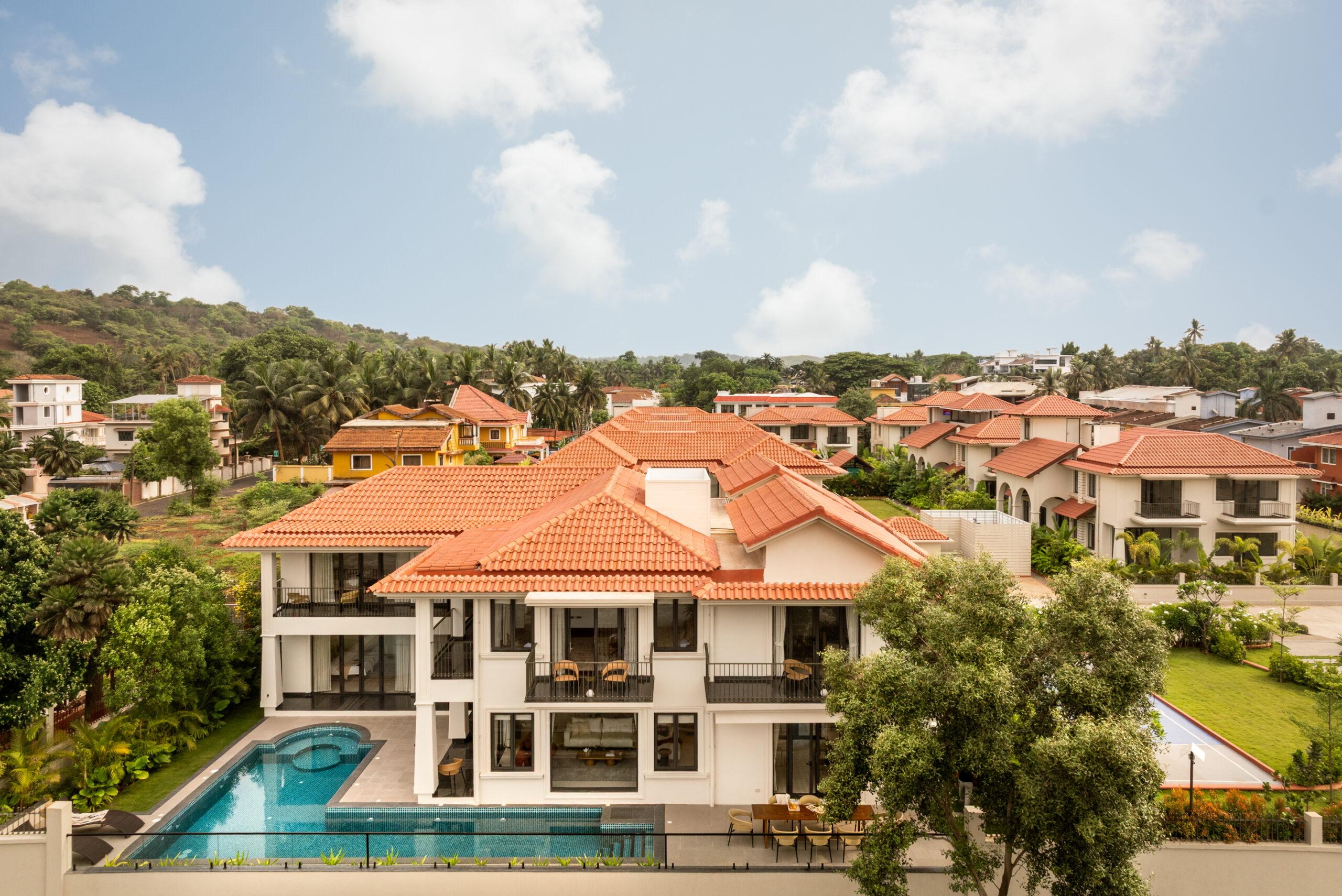
Mangalorean terracotta roof tiles became particularly suited to Goa’s heavy monsoon climate. Their sloping form helped rainwater run off quickly, while the tiled roof provided insulation and shade.
China mosaic flooring became another distinctive feature of the era. Influences from maritime trade connecting Goa with places such as Macau, and decorative materials found their way into Indian domestic architecture.
These elements demonstrate that Goan architecture was never static. As Portuguese influence took root in Goa, residential architecture began to evolve into something distinctly local. Between the 18th and early 20th centuries, native builders and wealthy Goan families adapted Portuguese, European, and East Asian influences to local traditions, materials, and craftsmanship.
The result was a unique architectural language shaped not by one culture alone, but by centuries of cultural exchange, trade, and adaptation to Goa’s climate and way of life.
From Heritage Homes to Modern Architecture
Goa’s architectural landscape changed significantly after 1961, when Goa became part of India. The grand Indo-Portuguese manor homes of Chandor and Loutolim gradually gave way to more functional and urban forms of housing as population growth, tourism, urbanisation, and changing economic conditions reshaped the state.
From the 1990s onward, increasing outside investment accelerated this transformation, bringing apartments, villas, gated communities, and other contemporary housing formats alongside traditional homes. As development accelerated, particularly along Goa’s coastal belt, many developments adopted generic architectural styles with limited connection to the region’s heritage, climate, and landscape. The growing demand for property in Goa increased the pace of development, but often left behind the design principles that had shaped Goan homes for centuries.
At the same time, a quieter architectural shift was emerging. Architects such as Gerard De Cunha began looking beyond the familiar shorthand of Portuguese-inspired design to explore the deeper principles of Goan architecture. Rather than simply reproducing the appearance of heritage homes, this approach focused on what made them work: courtyards, shaded spaces, natural ventilation, local materials, indoor-outdoor connections, and a sensitive response to the surrounding landscape.
Where Goa’s Architecture Arrives Today
Today, some of the most thoughtfully designed residential projects in Goa are those that are finding a balance between the region’s architectural heritage and contemporary living. Models Group, a Goa-based company and among the top builders in Goa with over three decades of experience, reflects this approach across its developments.
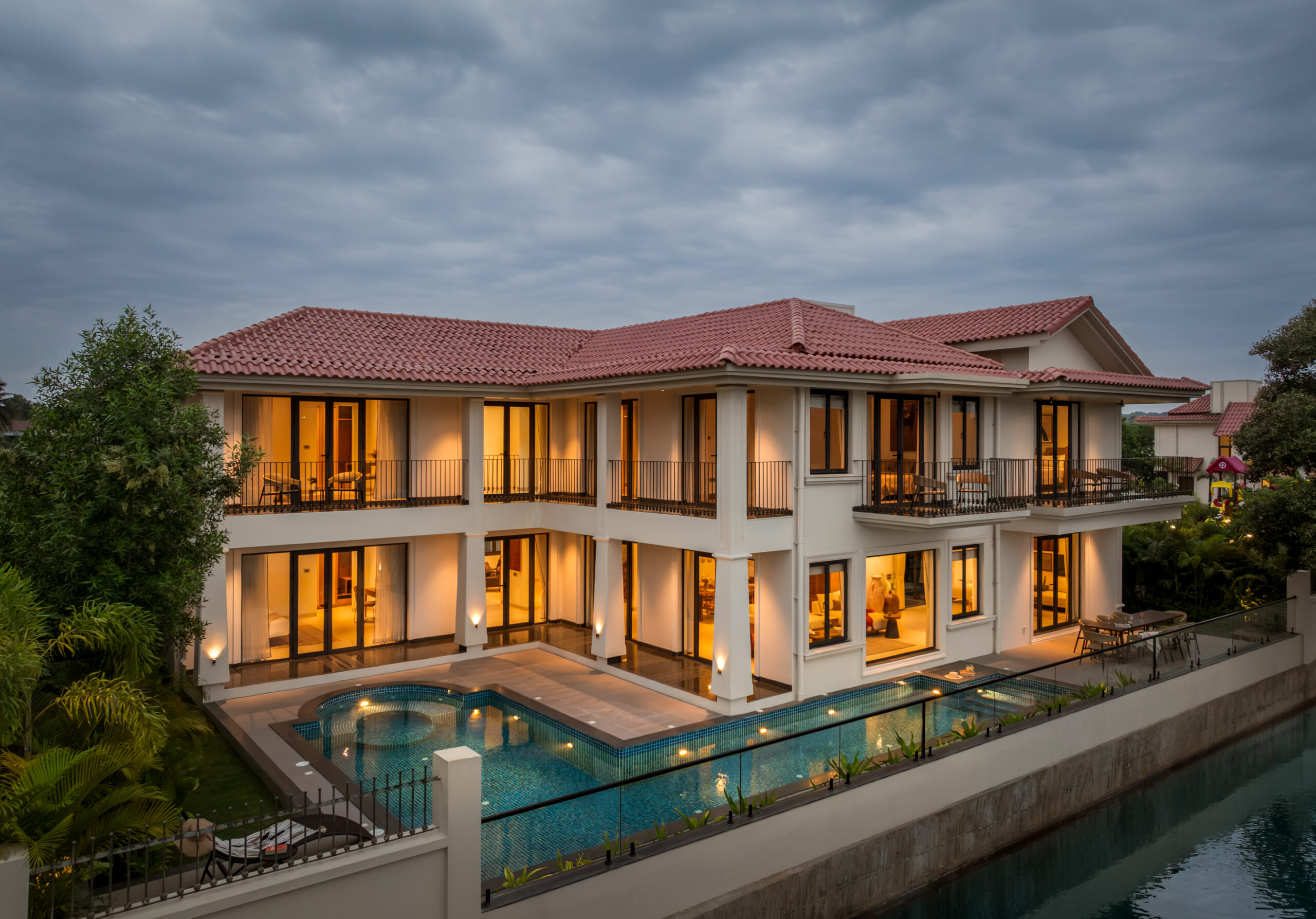
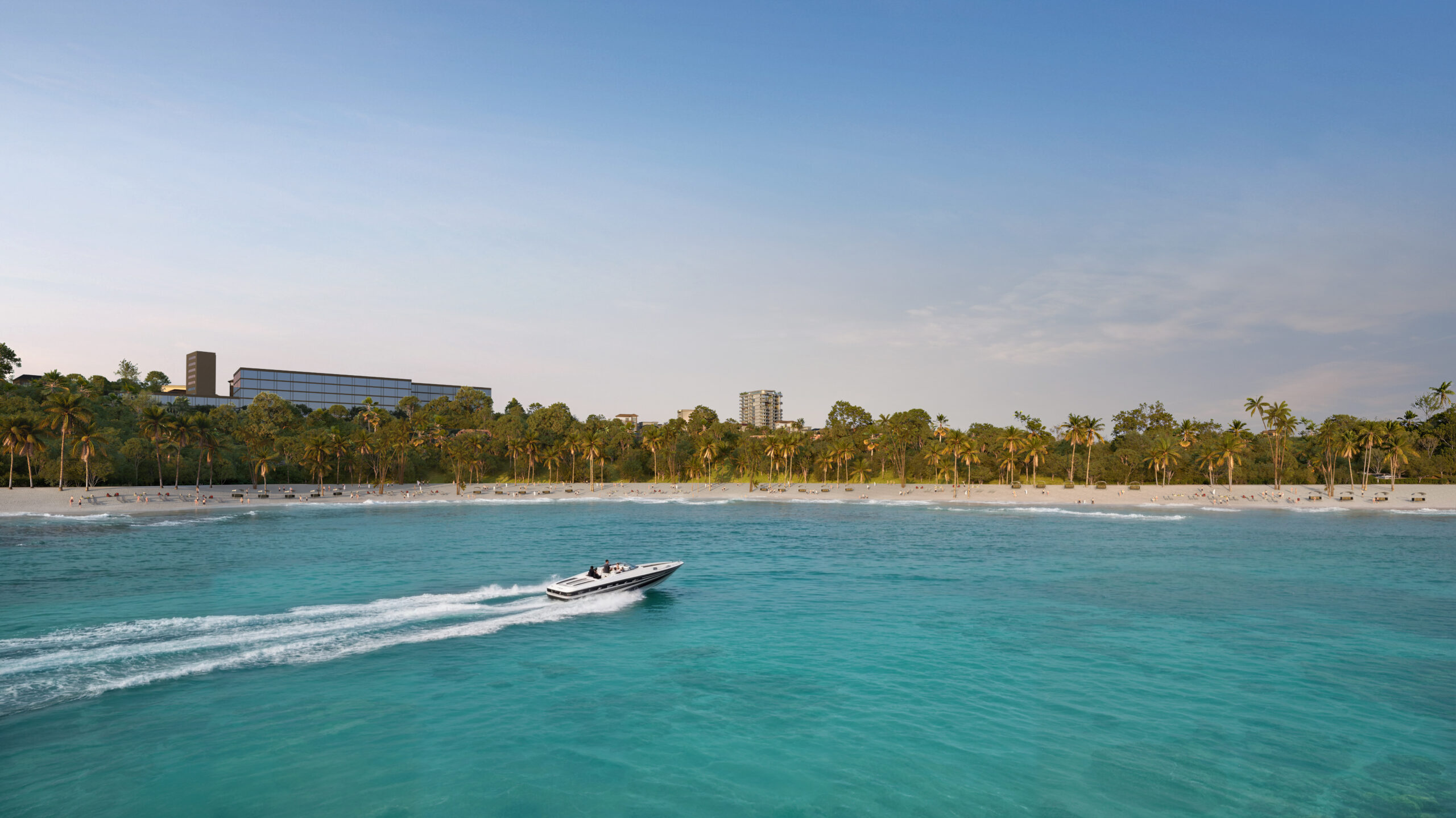
Among the luxury villas in Goa, Models Évora in Pilerne draws from the courtyard-centred language of traditional Indo-Portuguese homes, with terracotta roof tiles and arched doorways, adapted to a contemporary setting. In Dona Paula, Models Oddavell takes a more forward-looking direction, with its sinuous, wave-inspired form responding to the Arabian Sea and its coastal surroundings.
As demand for property in Goa, particularly luxury villas in Goa, continues to shape the state’s residential landscape, the question is no longer simply how much can be built, but what is worth carrying forward. The most meaningful new projects in Goa are those that understand that architecture is not just about creating a structure, but about creating a sense of belonging. In Goa, the future of the home may look modern, but its character can still be rooted in the courtyards, monsoons, materials, and landscapes that have shaped the region for generations.